Blue Zone and Longevity
Why Do Sardinians Live So Long?
There is no single secret behind Sardinian longevity. Research points to a lifelong interaction between movement, food, family, environment, genetics and personal history.
Ogliastra Blue ZonePublished on 1 August 2026
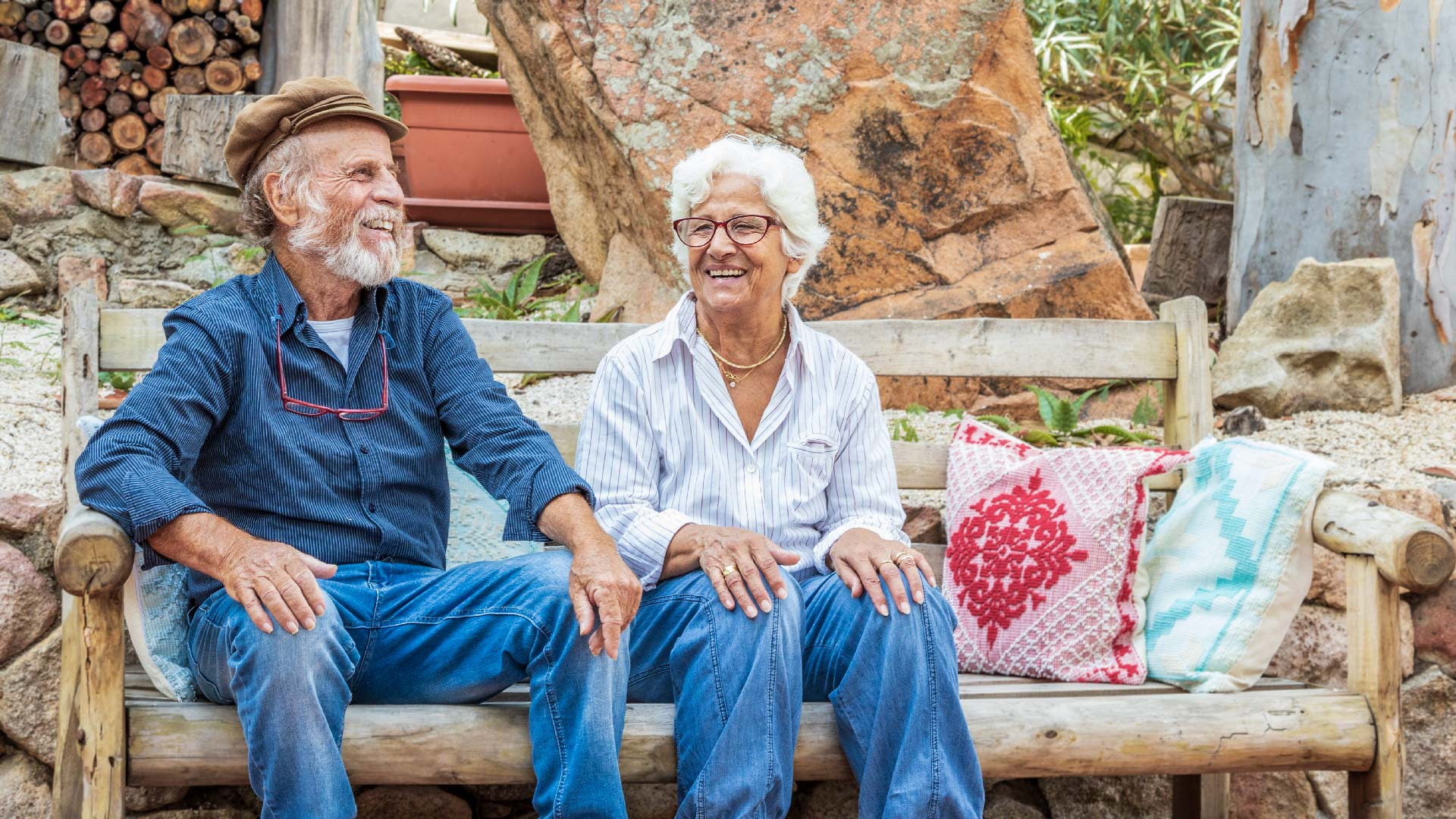
Why have so many people in central-eastern Sardinia lived into their nineties or reached the age of one hundred?
The most accurate answer is also the least spectacular: there is no single secret behind Sardinian longevity.
Exceptional longevity in Sardinia appears to result from a lifelong interaction between everyday movement, traditional food patterns, occupation, family relationships, environment, psychological wellbeing, genetics and historical conditions.
No single food, drink or habit can independently explain why some people reached such advanced ages.
How was exceptional longevity identified in Sardinia?
During the late 1990s, the AKEA project began a systematic study of Sardinian centenarians, validating their ages through civil records and family reconstructions.
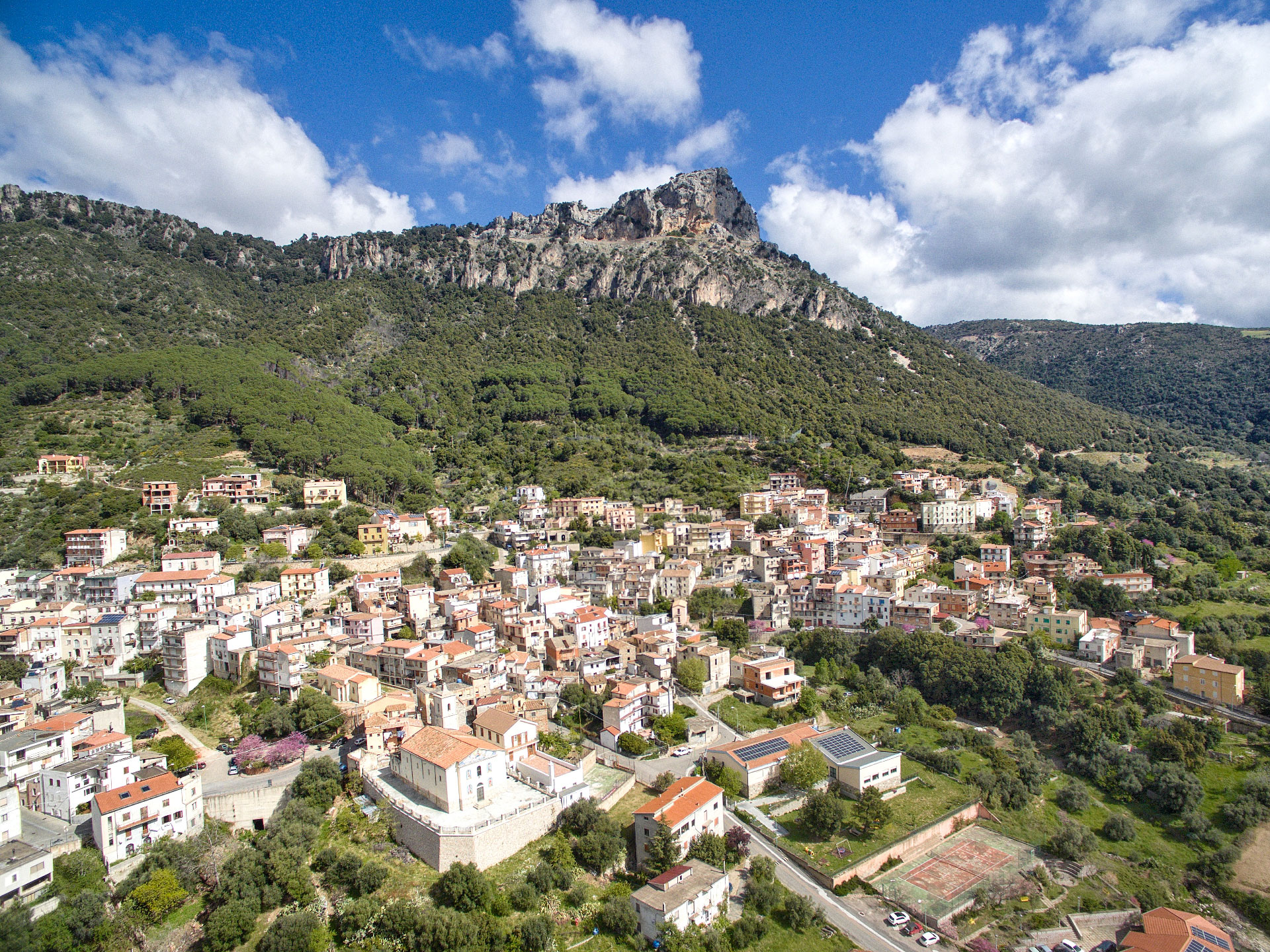
In 2004, researchers identified an exceptional concentration of longevity in the mountainous central-eastern part of Sardinia, between Ogliastra and Barbagia.
The area attracted particular attention because of a very unusual characteristic: a remarkably high representation of male centenarians.
In most populations, women greatly outnumber men among people who reach one hundred. In Sardinia Blue Zone, the difference between the sexes was considerably smaller.
This observation led to extensive research into the environmental, social, dietary, psychological and genetic factors that might be associated with longevity.
There is no single cause
Popular accounts of the Sardinia Blue Zone often turn a complex phenomenon into a simple formula:
- drink a particular wine;
- eat one celebrated food;
- live in the mountains;
- belong to a long-lived family;
- follow a supposed centenarian diet.
Research does not support any of these explanations on its own.
Longevity is built over decades and may depend on an interaction between:
- biology;
- food;
- movement;
- environment;
- occupation;
- relationships;
- economic circumstances;
- healthcare;
- coping skills;
- childhood and adult experiences;
- chance.
The Blue Zone is therefore valuable not because it reveals one recipe, but because it allows us to observe an entire way of life.
Movement was part of everyday life
Many members of the long-lived generations worked as shepherds, farmers, livestock keepers or craftspeople.
Their physical activity was not concentrated into a scheduled workout. It was distributed throughout the day:
- walking across steep terrain;
- reaching pastures and farmland;
- caring for animals;
- cultivating vegetable gardens;
- carrying tools and produce;
- performing manual work;
- moving frequently within the village.
This moderate and repeated activity could be maintained for many years and often continued, at a lower intensity, into older age.
This does not mean that hard physical work or pastoral life guarantees longevity. It does suggest that an environment in which movement is naturally built into daily life may help preserve strength, mobility and independence.
Traditional food was connected with the land
The diet of people born in the late nineteenth and early twentieth centuries was very different from the way many Sardinians eat today.
Food depended on the season, the harvest, livestock and the resources available to each household.
Common foods could include:
- bread and grains;
- legumes;
- vegetables;
- potatoes;
- fruit;
- olive oil;
- wild herbs;
- sheep's and goat's milk and cheese;
- varying amounts of meat and cured products;
- simple home-cooked dishes.
Research describes a dietary pattern with a strong plant-food component, complemented by a meaningful consumption of animal products, especially sheep's and goat's dairy.
It is therefore inaccurate to describe the historical Sardinian Blue Zone diet as completely vegetarian. It is equally inaccurate to assume that the diet of modern Sardinians is identical to that of the generations who made the region famous for longevity. Discover more about traditional food in Ogliastra.
The overall pattern matters more than one food
Bread, legumes, vegetables, olive oil, cheese and other local foods can form part of a balanced diet. None can guarantee a one-hundred-year life.
The possible value of the traditional pattern depended on the whole system:
- limited access to industrially processed food;
- seasonal ingredients;
- home preparation;
- portions influenced by actual availability;
- high daily energy expenditure;
- meals embedded in family life;
- habits maintained over many decades.
A food eaten by a highly active person in a rural environment may not have the same effect when placed within a sedentary lifestyle and an entirely different diet.
Family and community mattered
In the small villages of Ogliastra and Barbagia, older adults traditionally continued to participate in family and community life.
They might contribute to:
- caring for grandchildren;
- passing on knowledge;
- household work;
- tending gardens and animals;
- family decisions;
- religious life;
- relationships within the neighbourhood.
Growing older did not automatically mean becoming separated from society or losing every useful role.
Family support and stable relationships may help reduce loneliness and isolation. Feeling useful, listened to and involved may also support psychological wellbeing.
This should not be used to romanticise traditional communities or imagine them as free from conflict. It means that many older people retained a recognised place within the group.
Resilience, optimism and coping with adversity
The long-lived generations did not experience easy lives.
Poverty, physical labour, war, illness, infant mortality, geographical isolation and material hardship were part of their historical reality.
It is therefore inaccurate to claim that these people lived longer because they experienced no stress.
Research among older adults in Sardinia's Blue Zone has nevertheless observed factors including:
- resilience;
- coping capacity;
- satisfaction with life;
- strong social relationships;
- religiosity;
- continuity of habits;
- a positive perception of personal purpose.
Longevity may be connected not to the absence of hardship, but partly to the way individuals and communities adapted to it.
What role does genetics play?
Sardinia, particularly some inland communities, is an important setting for genetic research.
Geographical isolation, population stability and the historical continuity of certain communities have helped preserve distinctive genetic characteristics.
Researchers have examined variants connected with inflammation, metabolism, immune function and ageing.
They have not, however, identified one "longevity gene" capable of independently explaining Sardinia's Blue Zone.
Even a favourable genetic background acts within a real life shaped by food, work, environment, illness, relationships and behaviour.
The most cautious explanation therefore treats genetics as one part of the picture, not the complete answer. You can read more about longevity in Ogliastra and about the Blue Zone villages.
Longevity is also a generational story
Many of the people who made Sardinia's Blue Zone famous were born between the late nineteenth century and the early decades of the twentieth century.
Their lives included:
- rural economies;
- limited food availability;
- demanding physical work;
- relatively stable communities;
- wars and social transformation;
- gradually improving healthcare;
- the transition from poverty to better economic conditions.
This makes it difficult to separate lifestyle effects from historical circumstances.
Some researchers suggest that the longevity advantage may decline as sedentary habits, industrially processed foods and lifestyles very different from those of earlier generations become more common.
The Blue Zone should therefore not be treated as a permanent magical quality of the landscape. It is also the outcome of the conditions experienced by particular generations.
Does Cannonau wine make Sardinians live longer?
Cannonau belongs to Sardinian culture and winemaking tradition.
Wine contains compounds that have attracted scientific interest, but this does not demonstrate that drinking Cannonau makes people live longer.
Alcohol consumption carries health risks and should not be promoted as a treatment, a form of prevention or an anti-ageing remedy.
In traditional society, wine may have been consumed within a much broader system involving:
- food;
- social interaction;
- movement;
- physical work;
- community life;
- generally moderate quantities.
Separating wine from this context and directly crediting it with longevity would be an unsupported simplification.
The relationship between Cannonau and longevity deserves a specific discussion, but without health promises.
What do Sardinian centenarians eat?
There is no single menu followed by every Sardinian centenarian.
Food habits differed according to village, family, occupation, available resources and historical period.
Research nevertheless identifies recurring elements in the traditional food pattern:
- local products;
- seasonality;
- minimally processed food;
- grains and bread;
- legumes;
- vegetables;
- sheep's and goat's dairy;
- moderate or variable meat consumption;
- home cooking;
- little access to industrially processed products.
Once again, the overall pattern is more informative than one ingredient.
What can we learn from Sardinia's Blue Zone?
We cannot reproduce the exact life of a shepherd born in Ogliastra more than a century ago.
We can still reflect on several principles:
- move regularly throughout the day;
- do not rely only on occasional intensive exercise;
- favour minimally processed food;
- maintain meaningful relationships;
- reduce social isolation;
- preserve interests and responsibilities with age;
- remain connected to place;
- develop coping skills;
- avoid miracle products and promises.
The most useful message is not "eat this and you will live to one hundred."
It is that ageing is shaped by a lifetime of experiences within a physical and social environment.
Experience the land of centenarians
A journey through Ogliastra Blue Zone offers an opportunity to discover the villages, landscapes and traditions in which exceptional longevity was observed.
An itinerary can connect inland communities, traditional food, craftsmanship, the Gennargentu, the Supramonte and the Baunei Coast. Explore our tours and experiences or start to plan your journey.
Tell us which aspects you would like to explore and our travel agency will help you plan a tailor-made journey through the land of centenarians.
Sources and Further Reading
- Michel Poulain, Gianni Pes et al., Identification of a geographic area characterized by extreme longevity in the Sardinia island: the AKEA study, Experimental Gerontology, 2004.
- Luca Deiana et al., AKEntAnnos. The Sardinia Study of Extreme Longevity, Aging, 1999. PMID: 10476308
- Alberto Nieddu et al., Dietary Habits, Anthropometric Features and Daily Performance in Two Independent Long-Lived Populations from Nicoya Peninsula and Ogliastra, Nutrients, 2020.
- Giovanni Mario Pes et al., Evolution of the Dietary Patterns across Nutrition Transition in the Sardinian Longevity Blue Zone and Association with Health Indicators in the Oldest Old, Nutrients, 2021.
- Maria Chiara Fastame et al., Mental Health and Religiosity in the Sardinian Blue Zone, International Journal of Environmental Research and Public Health, 2021.
- Maria Chiara Fastame et al., Resilience in Elders of the Sardinian Blue Zone, Frontiers in Psychology, 2018.
- Mark J. Soloski, Gianni Pes and Michel Poulain, Does the trained immune system play an important role in the extreme longevity that is seen in the Sardinian Blue Zone?, Frontiers in Aging, 2022.