Food and Traditions
Cannonau and Longevity: Myth or Reality?
Cannonau is often described as one of the secrets of Sardinian longevity. But what does research actually show about its polyphenols, cultural role and alcohol-related risks?
Ogliastra Blue ZonePublished on 26 August 2026
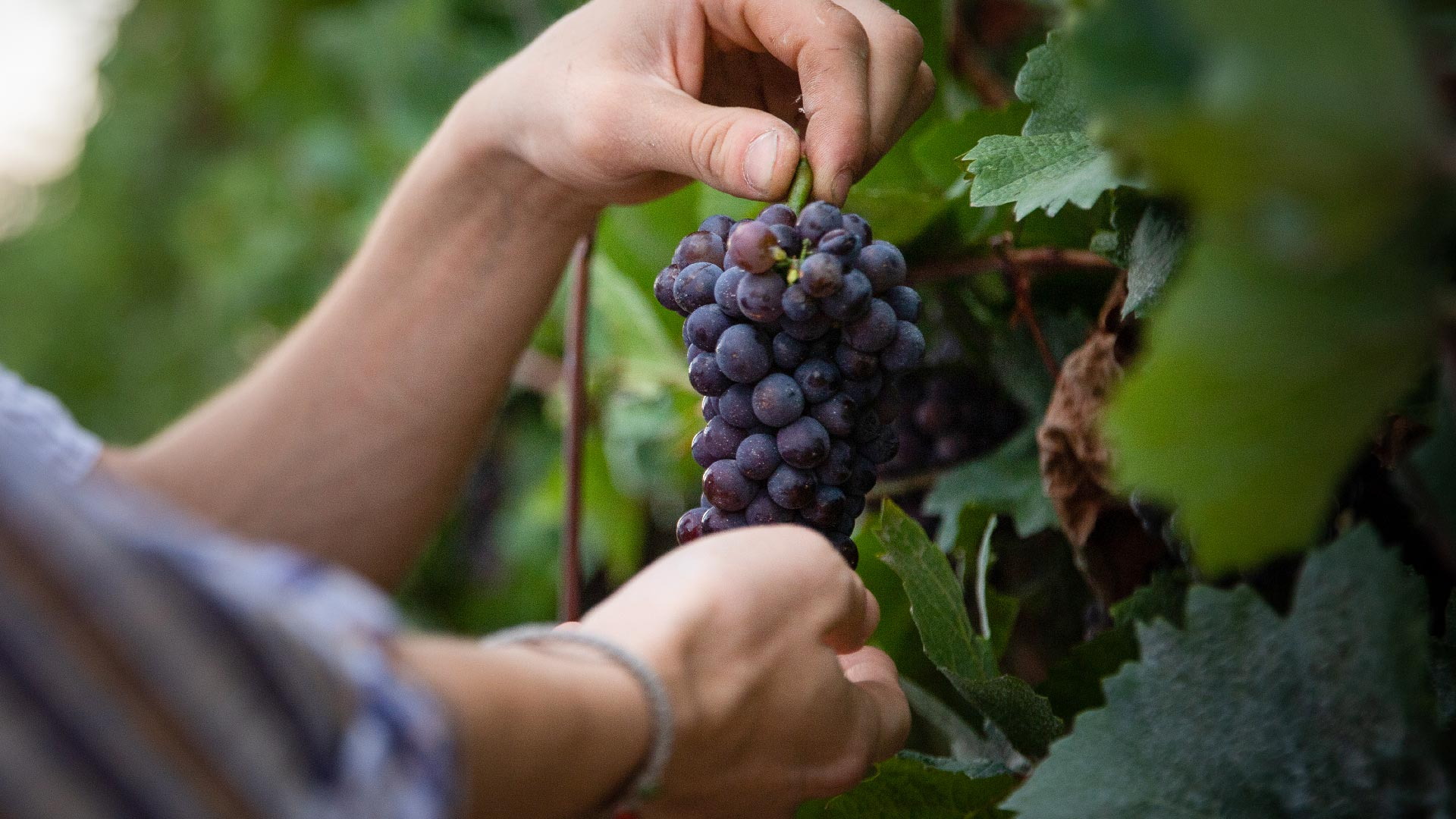
Cannonau is often described as the wine of Sardinian centenarians and, in some accounts of the Blue Zone, as one of the possible secrets behind exceptional longevity.
It is a compelling image deeply connected with Sardinian culture. It is not, however, a conclusion demonstrated by scientific research.
Cannonau contains phenolic compounds that have been studied for their biological properties, as is the case with many other red wines. The presence of these substances does not automatically mean that drinking wine protects health or increases lifespan.
To understand the relationship between Cannonau and longevity, we need to separate at least four different issues:
- cultural tradition;
- the chemical composition of wine;
- experimental research on polyphenols;
- the effects and risks of alcohol in humans.
What is Cannonau?
Cannonau is one of Sardinia's most representative grape varieties and is cultivated in several parts of the island.
In Ogliastra, wine forms part of the agricultural, family and social history of the territory. For many years, production was also connected with household consumption and community occasions.
Cannonau wines may differ according to:
- production area;
- soil;
- climate;
- altitude;
- vintage;
- cultivation methods;
- winemaking;
- maceration time;
- ageing.
There is therefore no single chemical composition that applies to every bottle of Cannonau.
Why is Cannonau associated with the Blue Zone?
The association largely comes from the overlap between two elements:
- the historical presence of Cannonau in Sardinia;
- the existence of long-lived communities in the central-eastern part of the island.
Tourism and popular accounts often include traditional wine consumption among the habits of long-lived Sardinians.
Geographical and cultural proximity does not demonstrate causation.
The fact that some centenarians drank wine does not prove that they lived longer because of Cannonau.
The same people also experienced lives shaped by:
- daily physical activity;
- pastoral or agricultural work;
- locally produced food;
- strong family relationships;
- participation in community life;
- historical conditions very different from those of today.
Separating wine from this whole system produces an overly simple explanation. For a wider picture, see why Sardinians live so long and our page on the Sardinia Blue Zone.
What are polyphenols?
Polyphenols are compounds naturally found in plants.
In grapes and wine they may include:
- anthocyanins;
- flavonols;
- flavanols;
- tannins;
- phenolic acids;
- stilbenes, including resveratrol.
These compounds contribute to wine's colour, flavour, structure and ageing potential.
In laboratory research, some polyphenols have shown activities related to:
- antioxidant processes;
- inflammation;
- blood-vessel function;
- cellular mechanisms.
An effect observed in cells, tissues or experimental models is not the same as a proven clinical benefit in humans.
Does Cannonau contain more antioxidants than other wines?
A frequently repeated online claim is that Cannonau contains two or three times more antioxidants than other red wines.
This should not be presented as a universal and established fact.
The quantity and type of polyphenols in wine depend on many factors:
- grape variety;
- terroir;
- ripeness;
- vintage;
- maceration;
- winemaking;
- storage.
Studies of Sardinian wines have identified phenolic compounds and differences between grape varieties and samples. They do not prove that every Cannonau always contains a fixed amount of antioxidants greater than every other red wine.
A high concentration of polyphenols would not remove the alcohol from the beverage.
What have researchers studied in Sardinian wines?
Some experimental studies have analysed phenolic extracts from wines produced using Sardinian grape varieties, including Cannonau.
In laboratory models, these extracts influenced processes connected with oxidative stress and intestinal inflammation.
These findings are useful for understanding wine composition and the possible biological activity of its non-alcoholic components.
They do not demonstrate that drinking Cannonau:
- prevents disease;
- protects the heart;
- reduces cancer risk;
- slows ageing;
- increases lifespan.
Demonstrating these outcomes would require strong, controlled and long-term clinical research in humans.
Red wine and cardiovascular health
For many years, observational studies associated low or moderate red-wine consumption with lower cardiovascular risk.
This relationship was often represented as a J-shaped curve, with abstainers and heavy drinkers appearing to have higher risk than moderate drinkers.
This interpretation remains debated.
Groups classified as abstainers may include:
- former drinkers who stopped because of illness;
- people with existing health conditions;
- individuals with different social circumstances;
- populations not directly comparable with moderate drinkers.
Moderate wine consumers may also have, on average:
- higher incomes;
- healthier diets;
- better access to healthcare;
- greater physical activity;
- other favourable habits.
These factors may confound the findings and make wine appear more protective than it actually is.
Can polyphenols be studied without alcohol?
Yes.
Some studies have compared red wine, dealcoholized red wine and other alcoholic beverages to distinguish the effects of ethanol from those of polyphenols.
In small clinical studies, dealcoholized red wine affected indicators such as blood pressure or vascular function.
This suggests that non-alcoholic compounds deserve to be studied independently from ethanol.
It does not mean that dealcoholized wine or polyphenols are medical treatments or that they increase longevity.
Is resveratrol a longevity elixir?
Resveratrol is one of the best-known compounds found in grapes and red wine.
It has been studied in cells and animals for possible effects on:
- oxidative stress;
- metabolism;
- inflammation;
- cellular mechanisms associated with ageing.
The doses used in many experiments are far higher than the quantities normally obtained by drinking wine.
Reaching some experimental doses through wine alone would require consuming dangerous amounts of alcohol.
Resveratrol should therefore not be used to justify or recommend wine consumption.
Does alcohol carry risks even at low levels?
Yes. Alcohol is a toxic, psychoactive and dependence-producing substance.
The International Agency for Research on Cancer classifies alcoholic beverages as carcinogenic to humans.
Alcohol consumption is associated with increased risk of several cancers, including those of the:
- oral cavity;
- pharynx;
- larynx;
- oesophagus;
- liver;
- colon and rectum;
- female breast.
No completely safe level has been established for cancer risk.
Risk generally increases with the amount consumed, but even low levels can contribute to the risk of some diseases.
Can wine still be presented as a cultural tradition?
Yes.
Cannonau can be presented as:
- a product of the land;
- an agricultural expression;
- cultural heritage;
- an element of conviviality;
- part of family history;
- a feature of Sardinian food and wine, alongside traditional food in Ogliastra.
It should not be presented as:
- medicine;
- a supplement;
- an anti-ageing treatment;
- a preventive food;
- a proven secret of longevity.
Responsible communication does not deny the cultural value of wine. It distinguishes territorial identity from health promises.
How was Cannonau traditionally consumed?
Habits differed between families and villages.
Wine might be consumed:
- during meals;
- on family occasions;
- during festivals and celebrations;
- as a household or farm product;
- in social settings.
Actual quantities could vary considerably.
It is inaccurate to imagine that every Sardinian centenarian drank one precise, moderate amount of Cannonau every day. Some may have consumed it, others very little and others none at all. The same caution applies to food: see what Sardinian centenarians eat.
The longevity of a population cannot be reconstructed from an idealised image of a glass of wine at the table.
Does Cannonau make people live longer?
The available evidence does not allow that conclusion.
We can say that:
- Cannonau is culturally important in Sardinia;
- it contains phenolic compounds;
- extracts from Sardinian wines have been studied experimentally;
- some red-wine polyphenols show biological activity;
- traditional wine consumption formed part of life in some communities.
We cannot say that Cannonau:
- prevents disease;
- caused the Sardinia Blue Zone;
- makes people reach one hundred;
- compensates for alcohol-related risks;
- should be started for health reasons.
People who do not drink alcohol should not begin drinking in the belief that it will improve their health.
Cannonau and longevity: myth or reality?
The most balanced answer is that there is a real cultural connection, but no scientific proof that Cannonau causes longevity.
The myth developed in a territory where wine and long-lived people existed together. Scientific reality is more complex.
Sardinian longevity appears to result from an interaction between:
- movement;
- food;
- social relationships;
- environment;
- personal history;
- genetics;
- economic and healthcare conditions.
Cannonau may be part of the cultural landscape of the Blue Zone, but it is not an explanation for it.
Discover wine and traditions in Ogliastra
Learning about Cannonau means meeting vineyards, producers, families and different local territories.
A food-and-wine experience may include:
- vineyard visits;
- an introduction to cultivation methods;
- meetings with producers;
- understanding local denominations;
- responsible tastings;
- pairings with local products;
- the agricultural history of Ogliastra.
Wine should be presented as a cultural and territorial experience, not as a health promise. You can start from our tours and experiences or from the page dedicated to plan your journey.
Tell us which traditions you would like to discover. Our travel agency will help you plan a tailor-made journey through Ogliastra Blue Zone.
Sources and Further Reading
- Francesca Biasi et al., Phenolic compounds present in Sardinian wine extracts protect against the production of inflammatory cytokines induced by oxysterols in CaCo-2 human enterocyte-like cells, Biochemical Pharmacology, 2013.
- Monica Deiana et al., Wine extracts from Sardinian grape varieties attenuate membrane oxidative damage in Caco-2 cell monolayers, Food Chemistry, 2012.
- Gemma Chiva-Blanch et al., Dealcoholized red wine decreases systolic and diastolic blood pressure and increases plasma nitric oxide, Circulation Research, 2012.
- Gemma Chiva-Blanch et al., Effects of wine, alcohol and polyphenols on cardiovascular disease risk factors, Alcohol and Alcoholism, 2013.
- World Health Organization, Alcohol, fact sheet.
- World Health Organization Europe, No level of alcohol consumption is safe for our health.
- International Agency for Research on Cancer, Alcohol and cancer.