Travel and Itineraries
Seven Days in Ogliastra: Sea, Villages and the Sardinia Blue Zone
A seven-day itinerary in Ogliastra: two days by the sea on the Baunei coast, two in the Blue Zone villages, mountains, food, wine and crafts, with practical tips on getting here and when to go.
Ogliastra Blue ZonePublished on 26 August 2026
How this itinerary is built
Seven days is the right length to get to know Ogliastra without rushing: two days on the coast, two in the Blue Zone villages, one in the mountains, and the last ones devoted to food, wine and crafts. Distances are short but the roads are mountain roads, so it is wise to allow generous travel times and no more than one long transfer per day.
The easiest base is the coastal strip between Tortolì, Lotzorai and Baunei, well connected to both the sea and the interior. Alternatively you can split the stay between two bases, one by the sea and one in an inland village, to experience the everyday rhythm of the hamlets.
Days 1-2: the coast
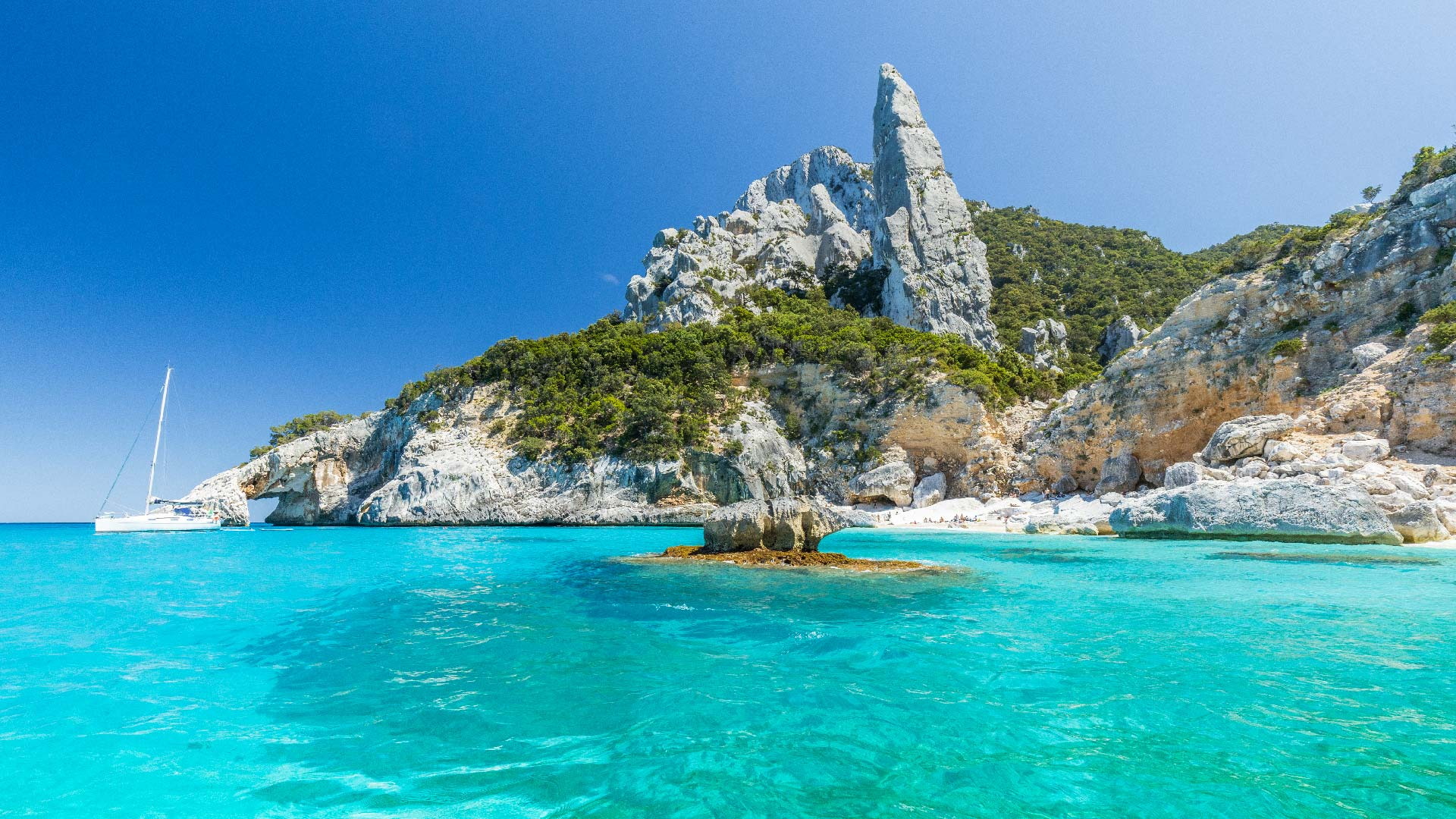
The first two days are for the sea along the Baunei coast and the Ogliastra shoreline. The best-known coves — Goloritzé, Mariolu, Biriala — are reached by boat on the mini-cruises leaving from Santa Maria Navarrese and Arbatax, or on foot along the plateau trails, with demanding descents and no facilities on the beach.
The second day can be gentler: the sandy beaches of Cardedu, Marina di Gairo with the pebbles of Su Sirboni, Marina di Tertenia and the pine groves of Orrì allow for a slow day, with lunch at a fishermen's restaurant or at one of the Consortium's businesses.
What to know before you go
Cala Goloritzé is a protected natural monument: access is limited in number and requires a fee. Boat trips depend on sea conditions and can be cancelled at short notice, so it is useful to have an alternative on land.
Days 3-4: the Blue Zone villages
From the coast the route climbs to the inland villages that make up the longevity area studied by researchers: Arzana, Talana, Urzulei, Villagrande Strisaili, Baunei and the nearby hamlets. Here the trip changes pace: there are no attractions to tick off, but everyday life, vegetable gardens, flocks, workshops and village squares.
Two days are enough to visit two or three villages calmly, meet producers, join a culurgiones or pane carasau preparation and listen to family stories. This is the part of the journey that explains best of all why people speak of a Blue Zone.
Day 5: mountains and canyon
The fifth day belongs to the mountains: the Gorropu canyon, reached from the Urzulei side or from Genna 'e Silana, the limestone tacchi of Ulassai and Jerzu, the Gennargentu trails and the holm-oak woods of the Supramonte. Hikes should be done with local guides, proper boots and enough water: most routes have no mobile coverage.
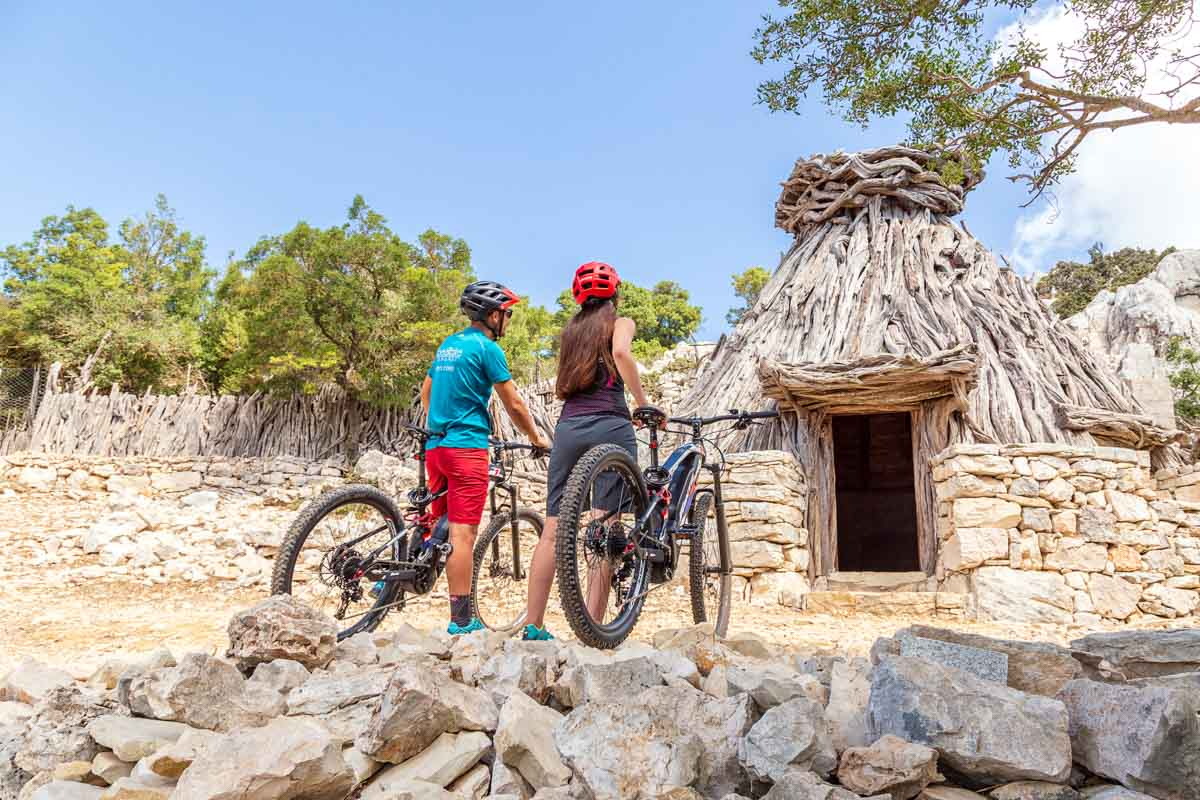
For a less demanding alternative there is the Trenino Verde, the historic narrow-gauge train crossing the inland plateaus, or an e-bike or quad tour on the Baunei plateau.
Day 6: food, wine and crafts
This day revolves around flavours: Cannonau wineries in Jerzu, cheese and dairy in the inland villages, bottarga and fresh fish in Arbatax and Tortolì, honey and almond sweets. Textile crafts complete the picture, with traditional looms still in use, alongside pottery.
A winery or workshop visit usually lasts around two hours and must be booked: many of these are family-run businesses that work by appointment.
Day 7: last tastes before leaving
The final day adapts to your departure time. With an afternoon flight or ferry you can spend the morning at an archaeological site — the Selèni park in Lanusei, or the nuraghi and giants' tombs scattered across the region — or take a last swim near Arbatax before shopping in local workshops.
Practical tips
Getting here
Ogliastra can be reached by ferry to Arbatax (connections from Civitavecchia and Genoa) or by air, landing in Cagliari or Olbia and driving around two and a half hours. A rental car is essentially indispensable: public transport links the villages but with infrequent services.
Best time to travel
May to June and September to early October offer the ideal climate, swimmable sea and quieter villages. July and August are the peak season for boat excursions, but with more visitors. Autumn and spring are the best months for hiking, wineries and traditional festivals.
How much it costs
Budgets vary widely with the season: seven days for two people, including accommodation, car hire, excursions and meals, usually fall into a mid-range bracket, with higher costs in August. The Consortium can build a tailor-made quote based on dates, group size and the experiences you choose.